Bowie: Man. Knife. Legend.
A museum exhibit at the Alamo built around interactive displays, produced while I was the agency's senior and only web administrator.
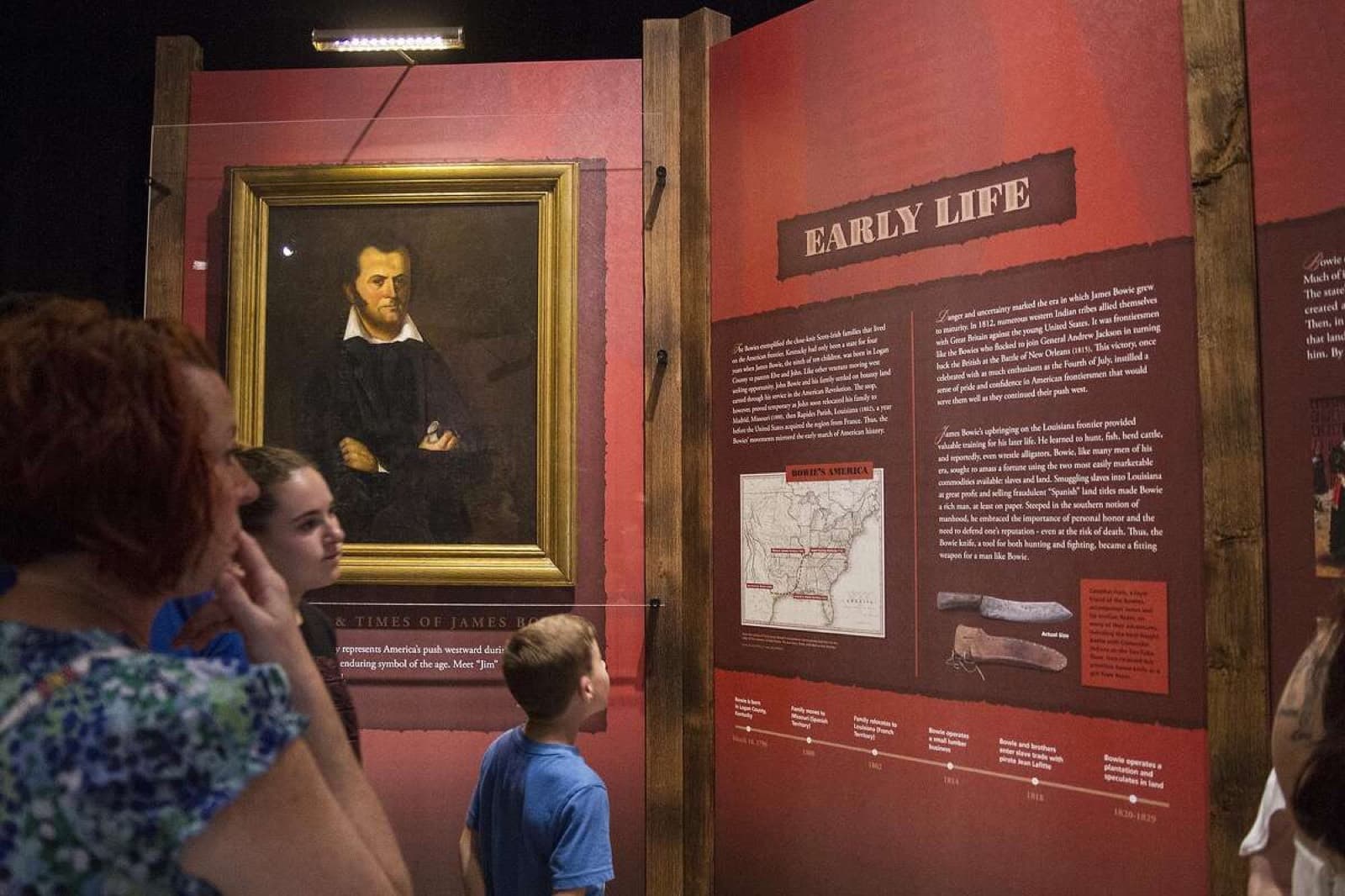
The gallery. Portrait, timeline, and the panel copy behind glass.
What I did
I was the senior and only web administrator at the Texas General Land Office, which held the Alamo, so the Alamo's website was mine to build and run and I ended up on site constantly.
On this exhibit I did all of the technology, co-wrote a large share of the editorial, worked the layout and design, helped develop and install the whole thing, and co-produced it with the agency's communications director.
The state's announcement said the display technology had never been used in a museum exhibit in Texas before.
The exhibit opened on March 4, 2017, and it was about Jim Bowie: the man, the knife, and the legend that grew past both. The problem with an exhibit like that is the same problem as a website. You have artifacts behind glass, a great deal of context nobody can fit on a label, and a visitor who will give you a few seconds before deciding whether to care.
The answer was interactive. Translucent touch displays sat in front of the artifacts, so a visitor could reach for a knife in a case and pull up what it was, who made it, and how it was carried. The state's own announcement of the exhibit said that display technology had not been used in a museum exhibit anywhere in Texas before.
None of it works without the writing. An interactive that opens onto three paragraphs of curatorial prose is a screen people walk past. The editorial had to answer the question the visitor was already holding, in the first sentence, before it earned anything longer. That constraint is the entire job, and it has not changed for me since.
It is the same discipline I now apply in the other direction. There the audience was people who would never see a line of code, and everything depended on the interface. Today the audience is software that never sees the pixels, and everything depends on the code. Both audiences ignore you when the answer is not right there.

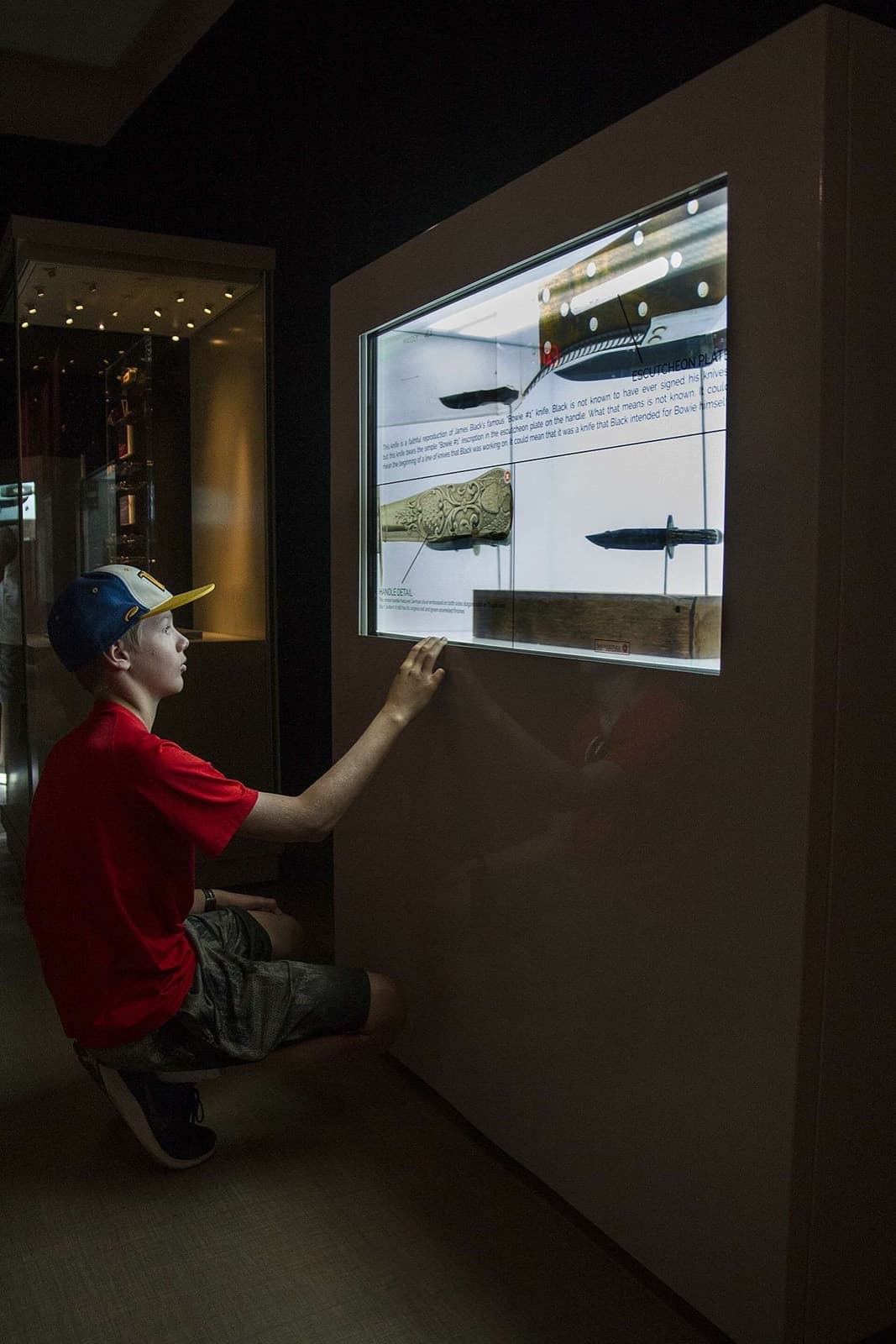
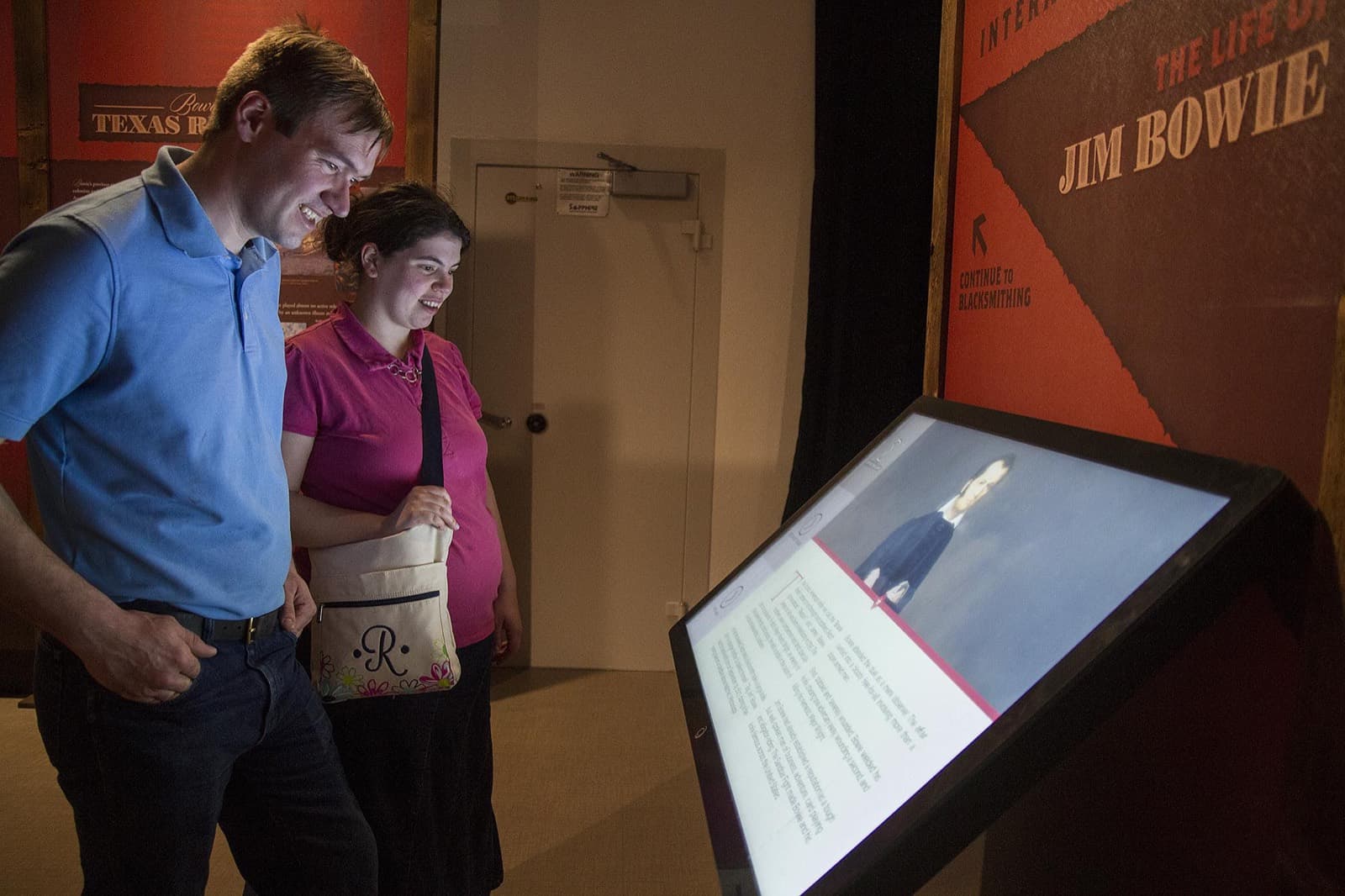
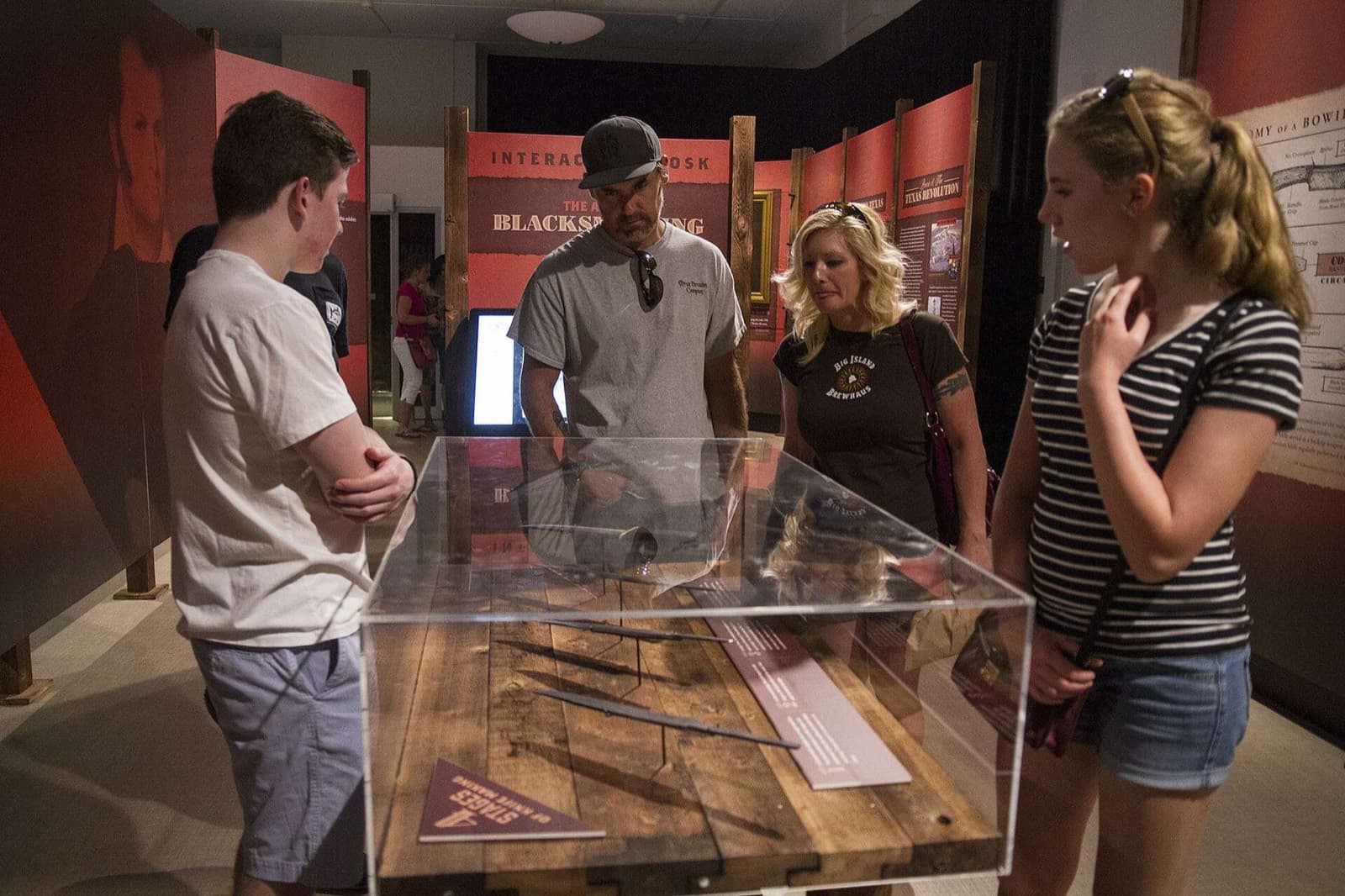
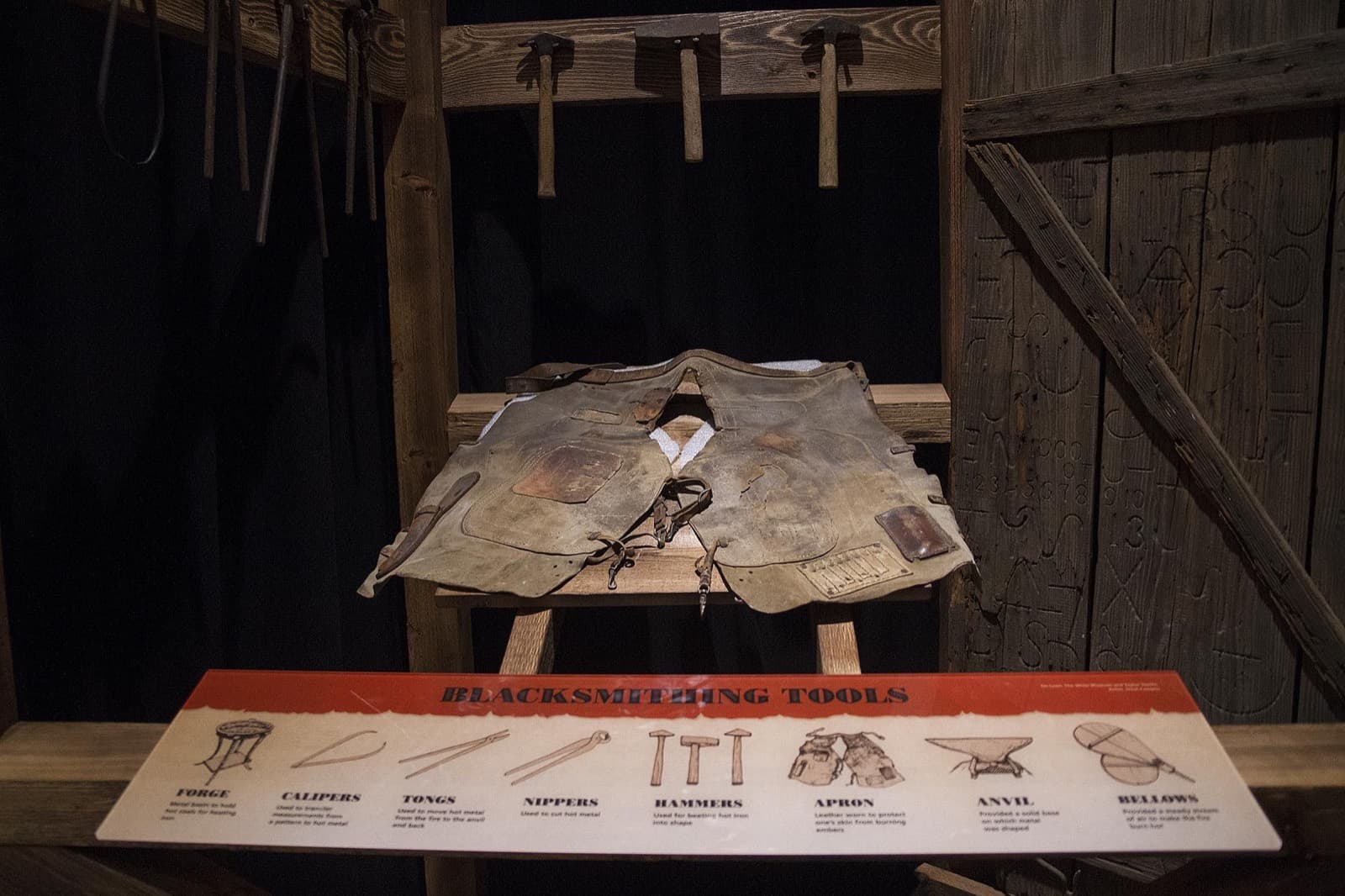
Photography: Texas General Land Office.
What this looks like today
The same work now is an interpretive system rather than a set of screens: the content model, the writing that answers first, the interface, the accessibility, and the install, owned by one person from the concept through the day it opens. Public-sector clients get the added part that matters to them, which is eleven years of holding a state agency to Section 508 and ADA.